Latest analysis
All analysis →MONGOLIAUNSPUN
Монгол хэлээр үү, англиар уу?Mongolian or English?
Дараа нь дээд талын EN / МН товчоор солих боломжтой. You can switch any time with EN / МН at the top.
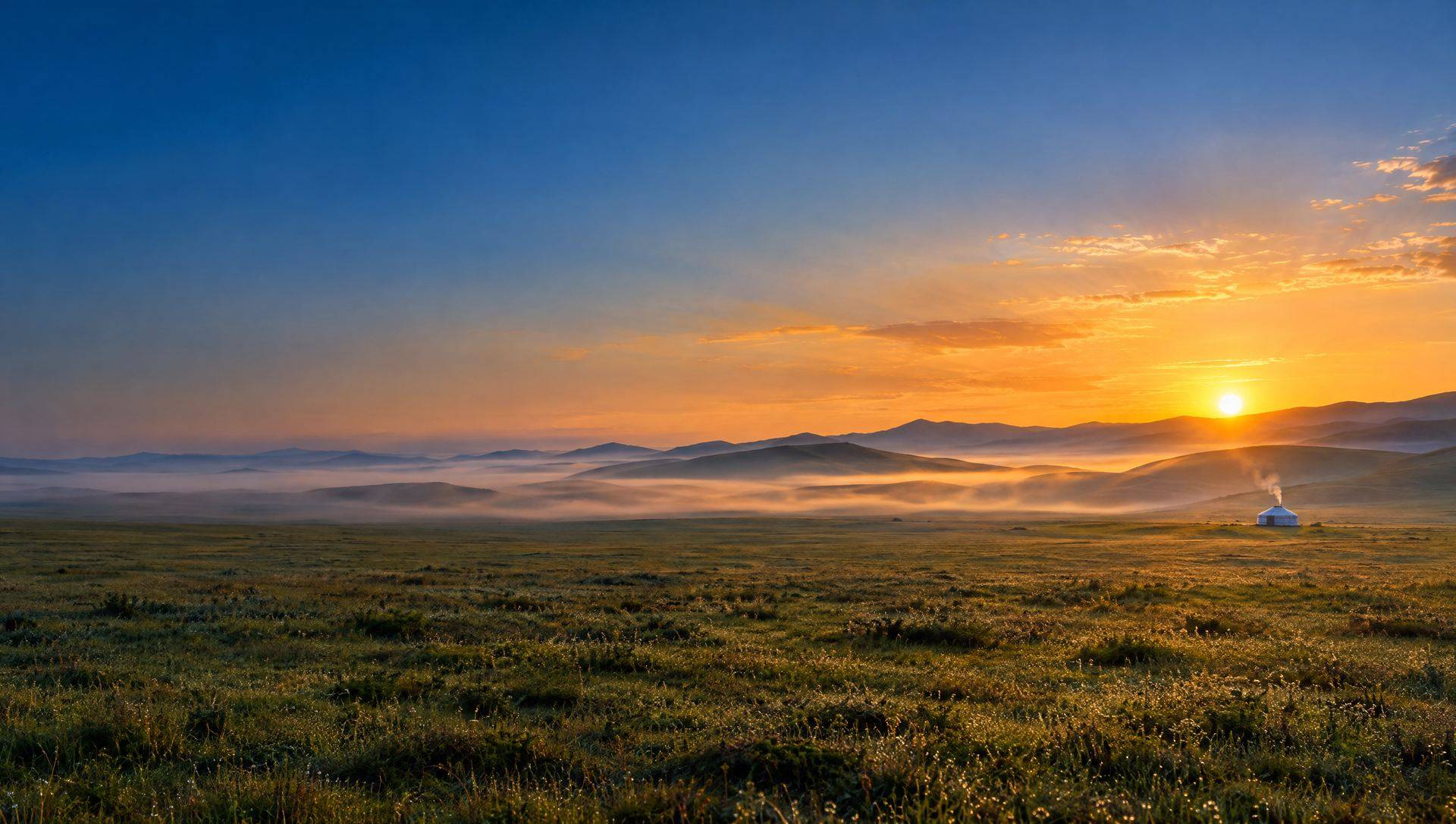
Mongolia
through its own eyes.
Our history as Mongolians tell it, from the deer stones to today's economy. Scroll to travel through it.
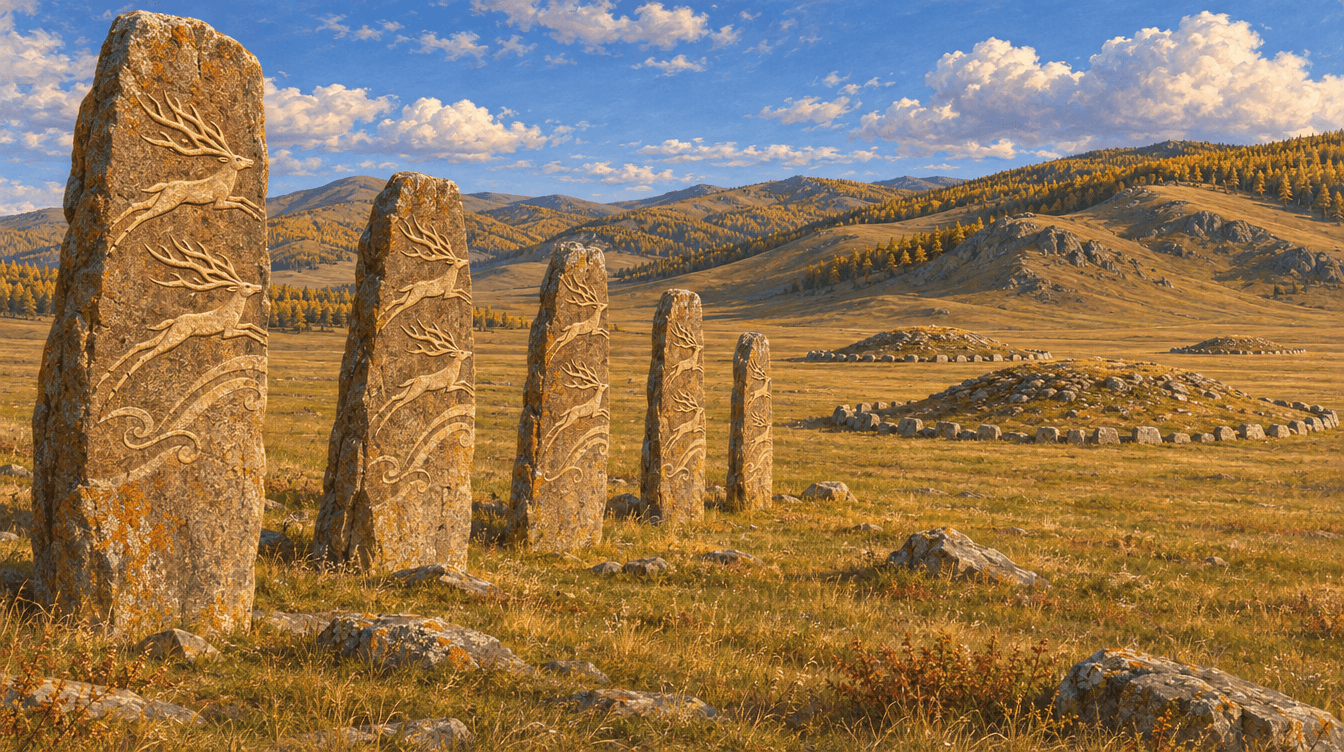
Deer stones and the Bronze Age
Before any state, people here raised more than 1,300 deer stones, about 90% of all known in the world, along with slab graves and khirgisüür burial mounds.
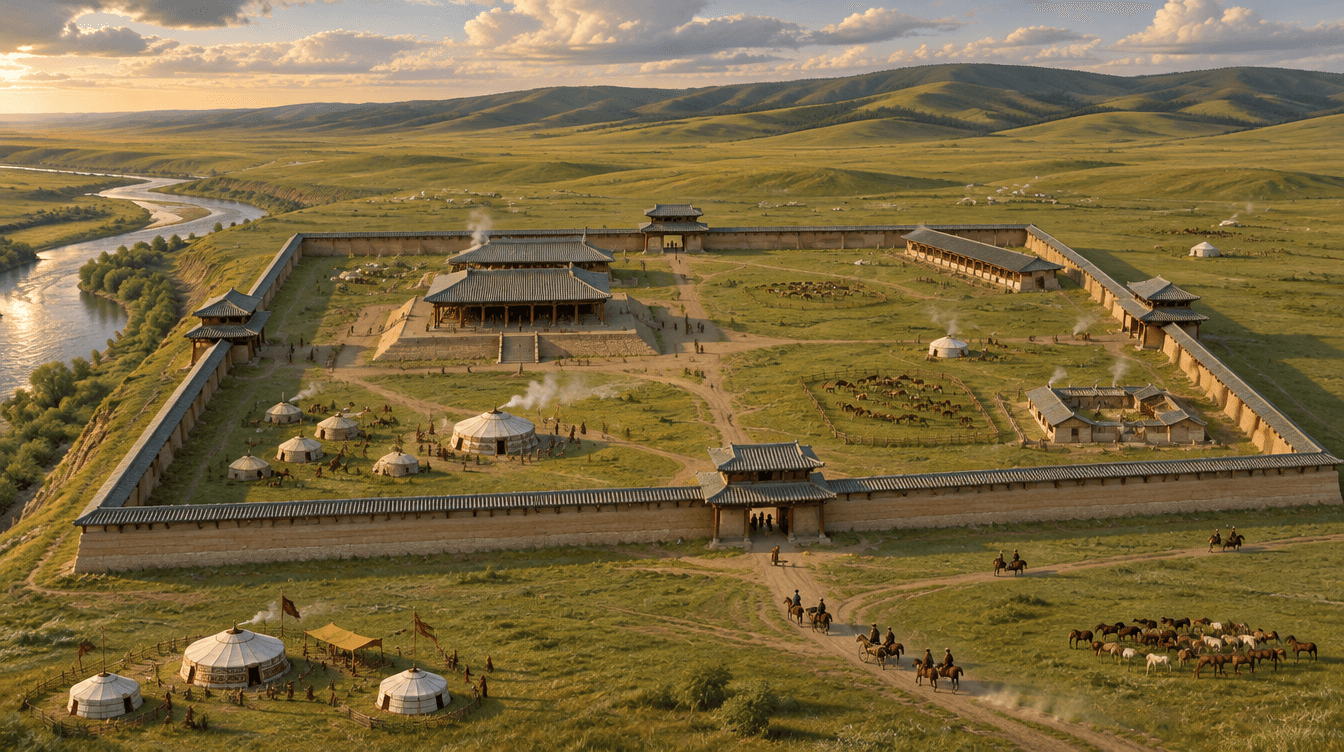
Xiongnu: the first state
In 209 BC Modun shanyu founded the Xiongnu state, which the museum counts as the start of Mongolian statehood. "Land is the root of the state." A decimal army, left and right wings, and seasonal palaces such as Gua dov.
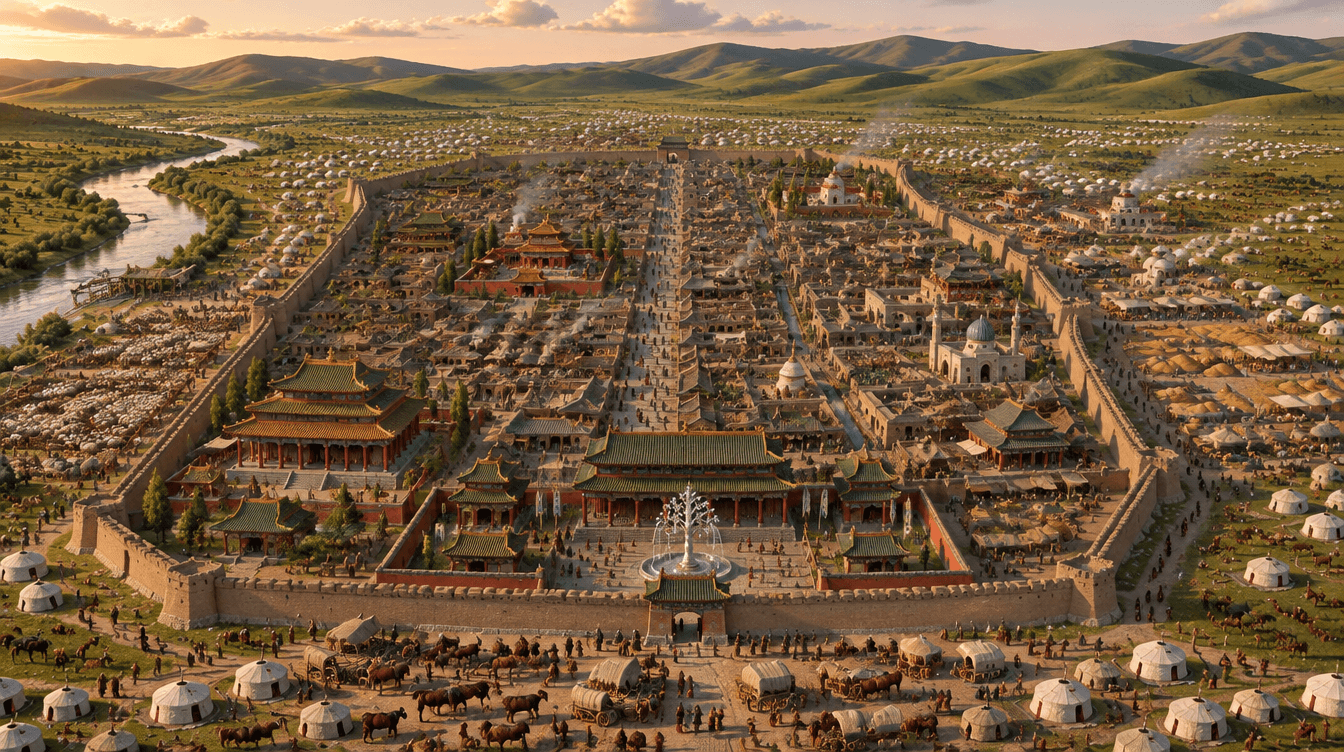
From the Khamag Mongol to the Great Mongol State
Twenty-two generations run from Börte Chono to Chinggis. Khabul khan united the Khamag Mongol in 1147. Temüjin, born in 1162, was proclaimed Chinggis Khaan in 1206. The Ikh Zasag law and the Uighur-Mongol script followed, and Karakorum became the capital.
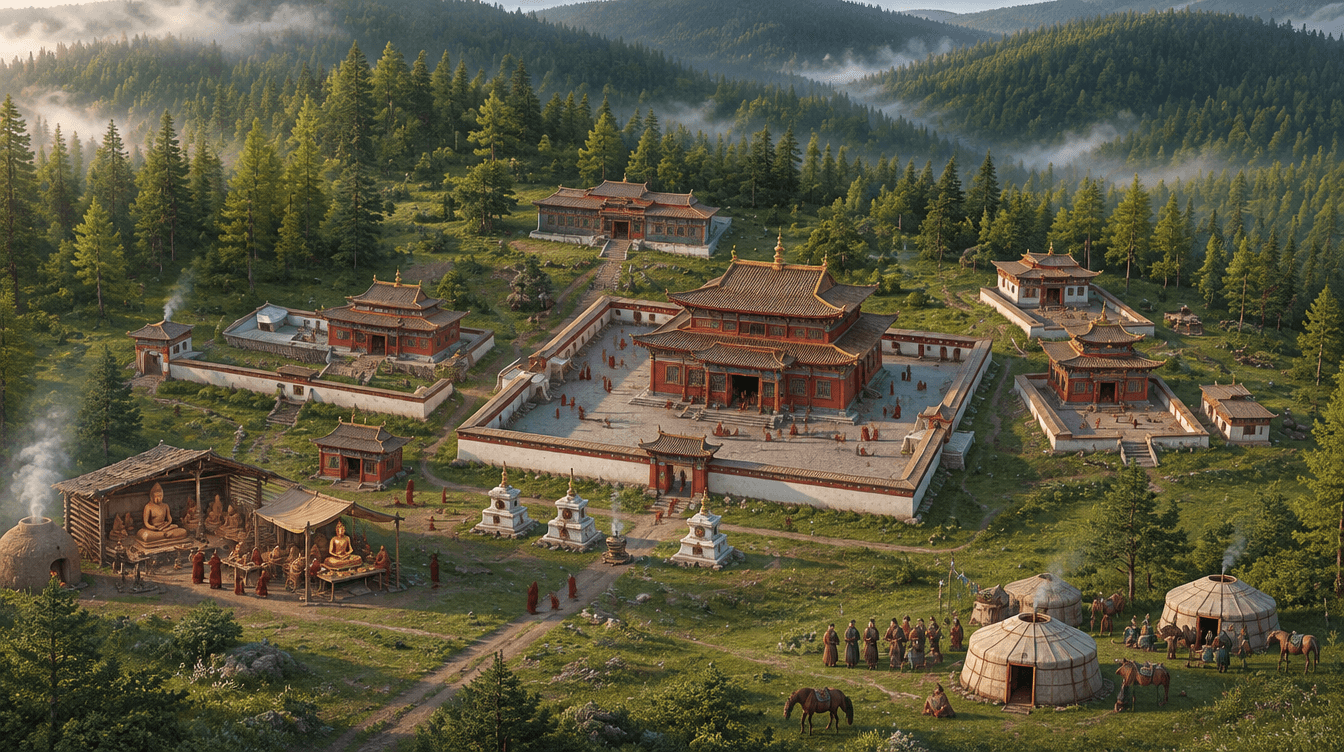
Nobles of Chinggis's line under the Qing
Zanabazar's art and monasteries such as Sardag. Khalkha came under Qing rule from 1691, and its banners grew from 34 to 125. Chingünjav's uprising (1756–57). On 29 December 1911 nobles of Chinggis's line restored independence and enthroned the VIII Bogd.
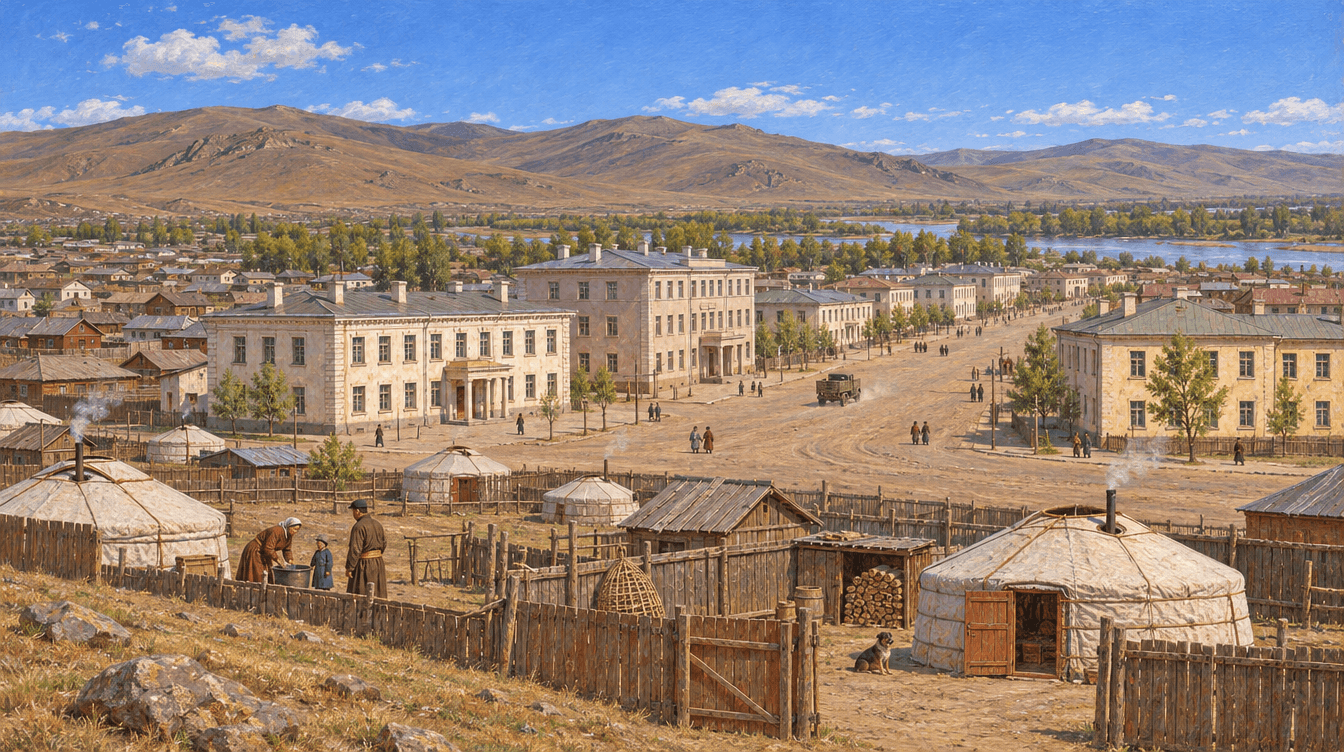
1911–1990: from independence to democracy
From the 1911 restoration, through 1921 and the People's Republic, to the democratic revolution of 1990. Here the story hands over to Politics & economy.
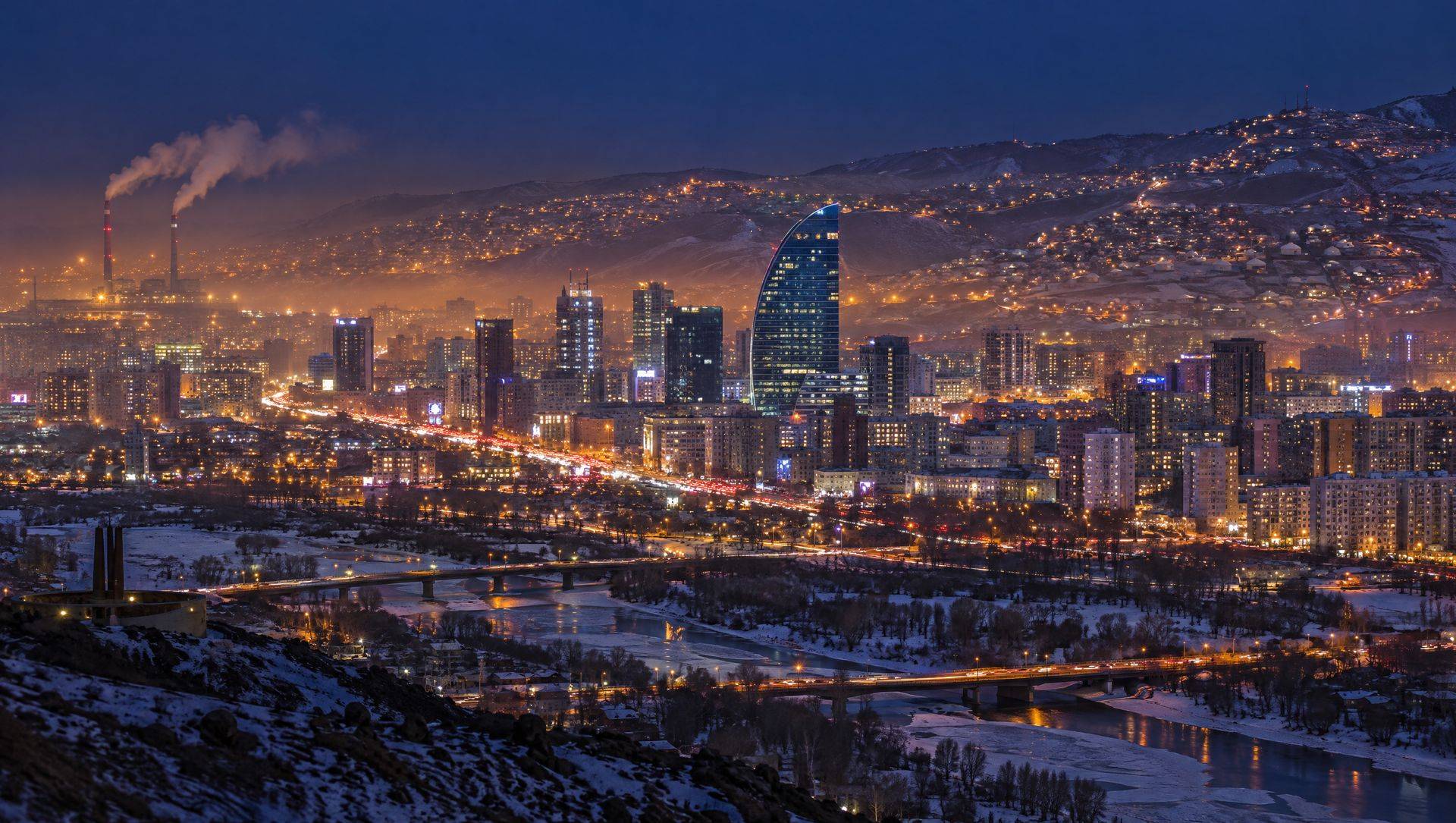
From history to the economy
Who has run the country since, and what changed: growth, prices, debt and the tögrög.
Latest · news, studies and explainers
What we just published
Mongolia right now
Four numbers that explain a lot
Tap a number to see what it means and where it comes from.
Six ways in
Pick a question
Understand Mongolia
-
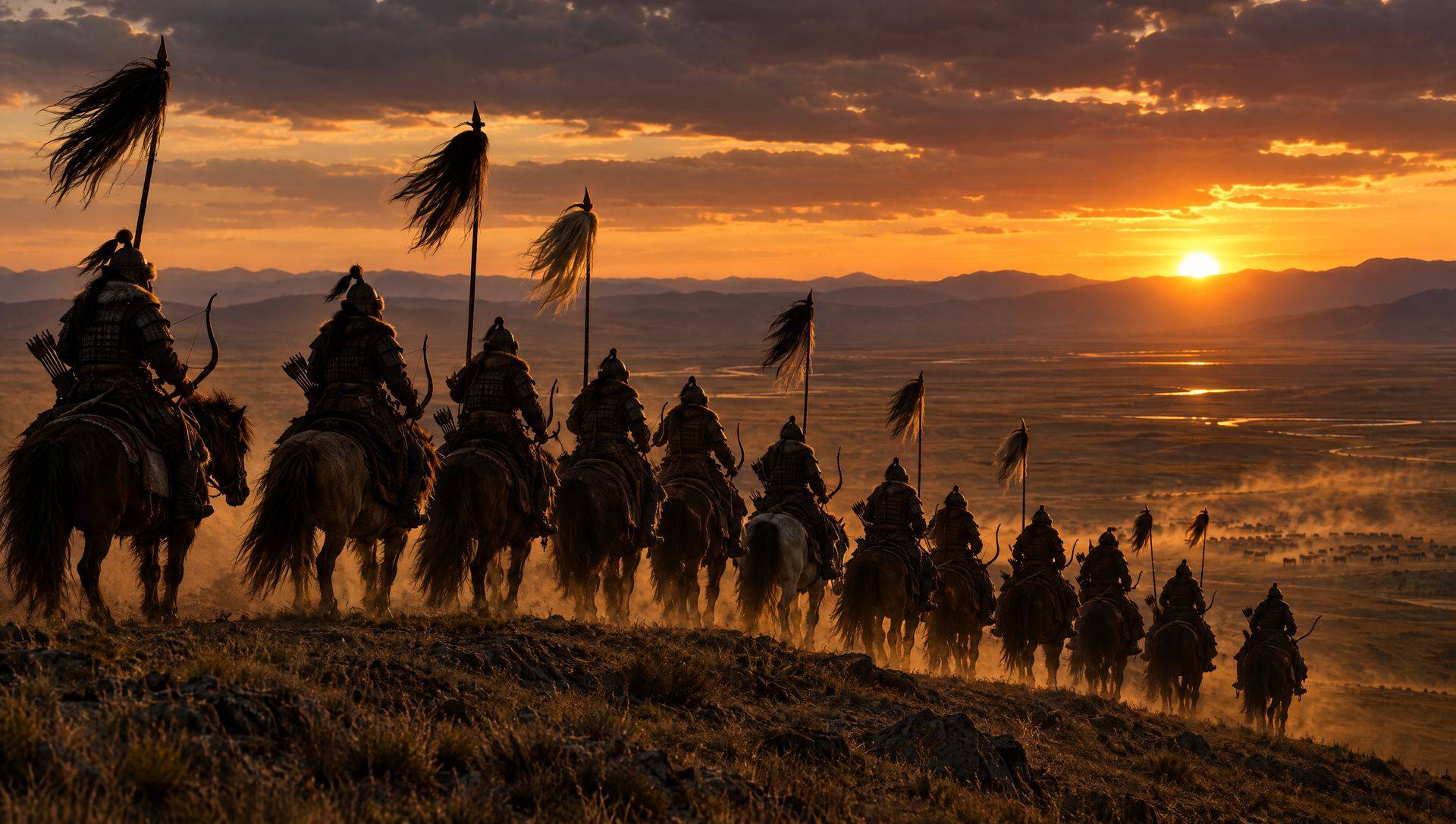
Where did Mongolia come from?
From the first steppe empire to the largest land empire in history, and on to .
Enter history -
Who ran the country, and what changed?
Every government since , set against growth, inflation, debt and the tögrög.
Enter the time machine -
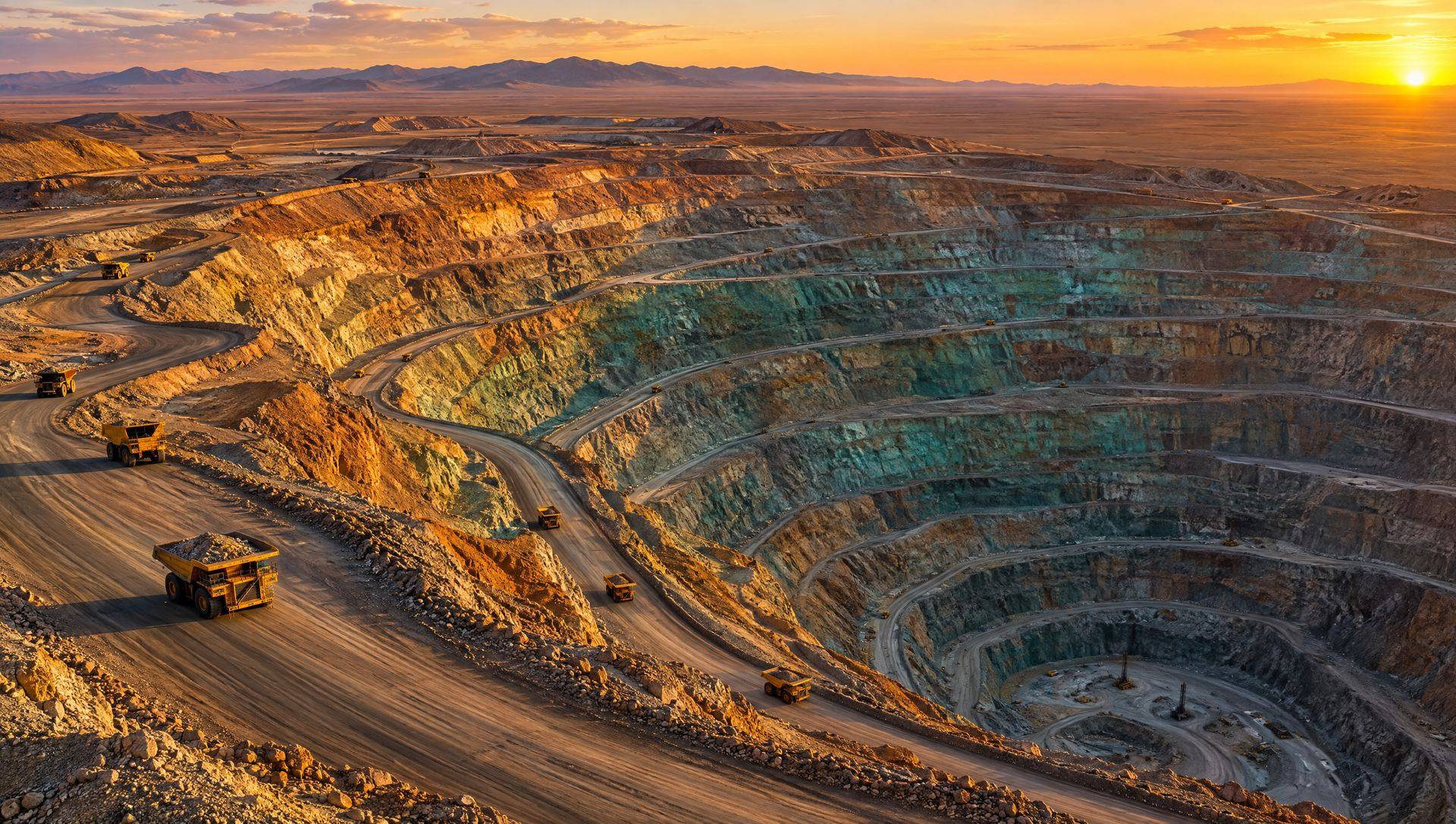
Is Mongolia worth the risk?
Enter invest
Markets & industry
-

How has the stock market done?
The MSE's record, its companies, its rules, and how it compares. Data only.
Enter markets -
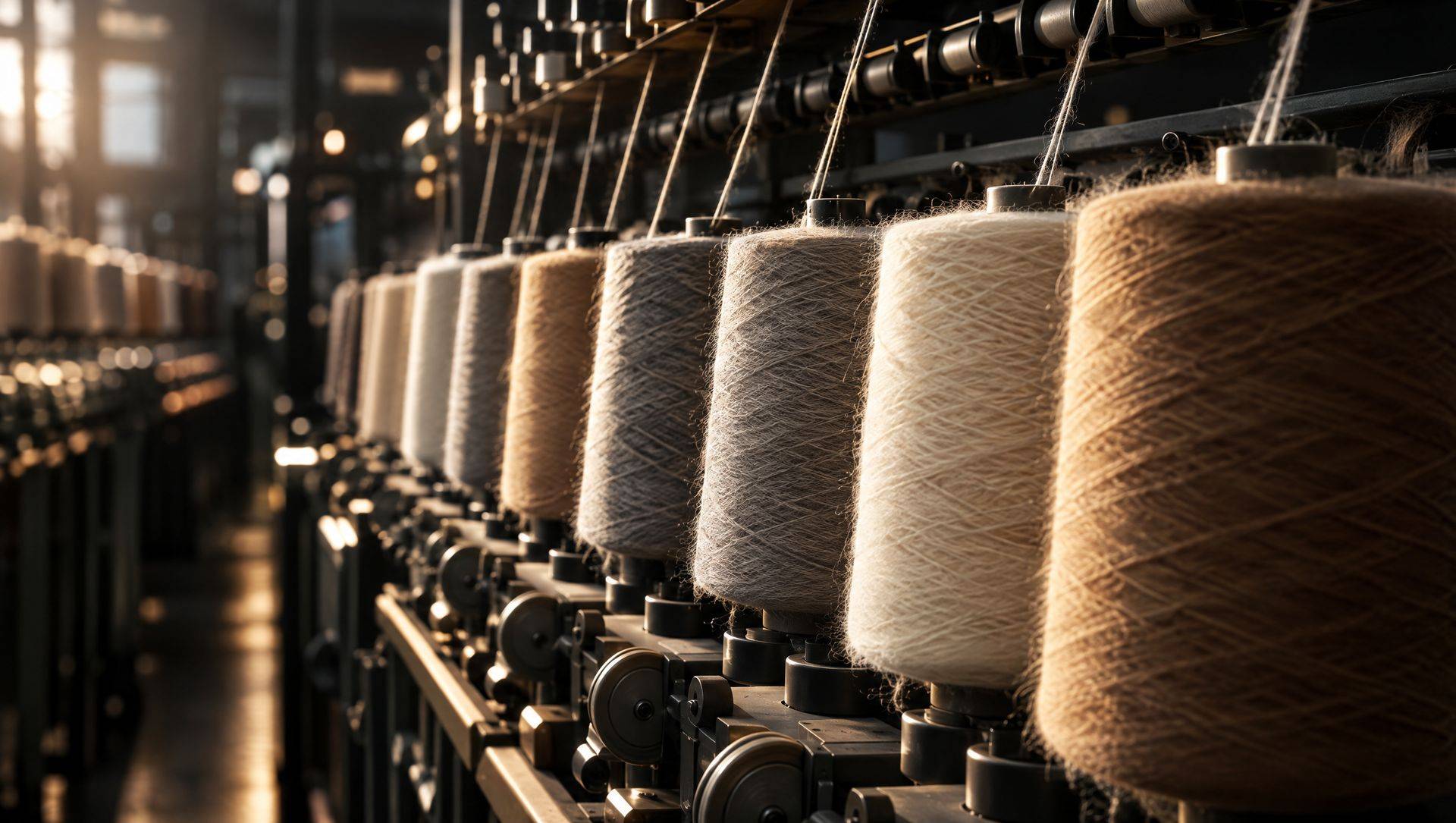
Who makes things in Mongolia?
Sectors, companies on measured facts, and why making more matters.
Enter makers -
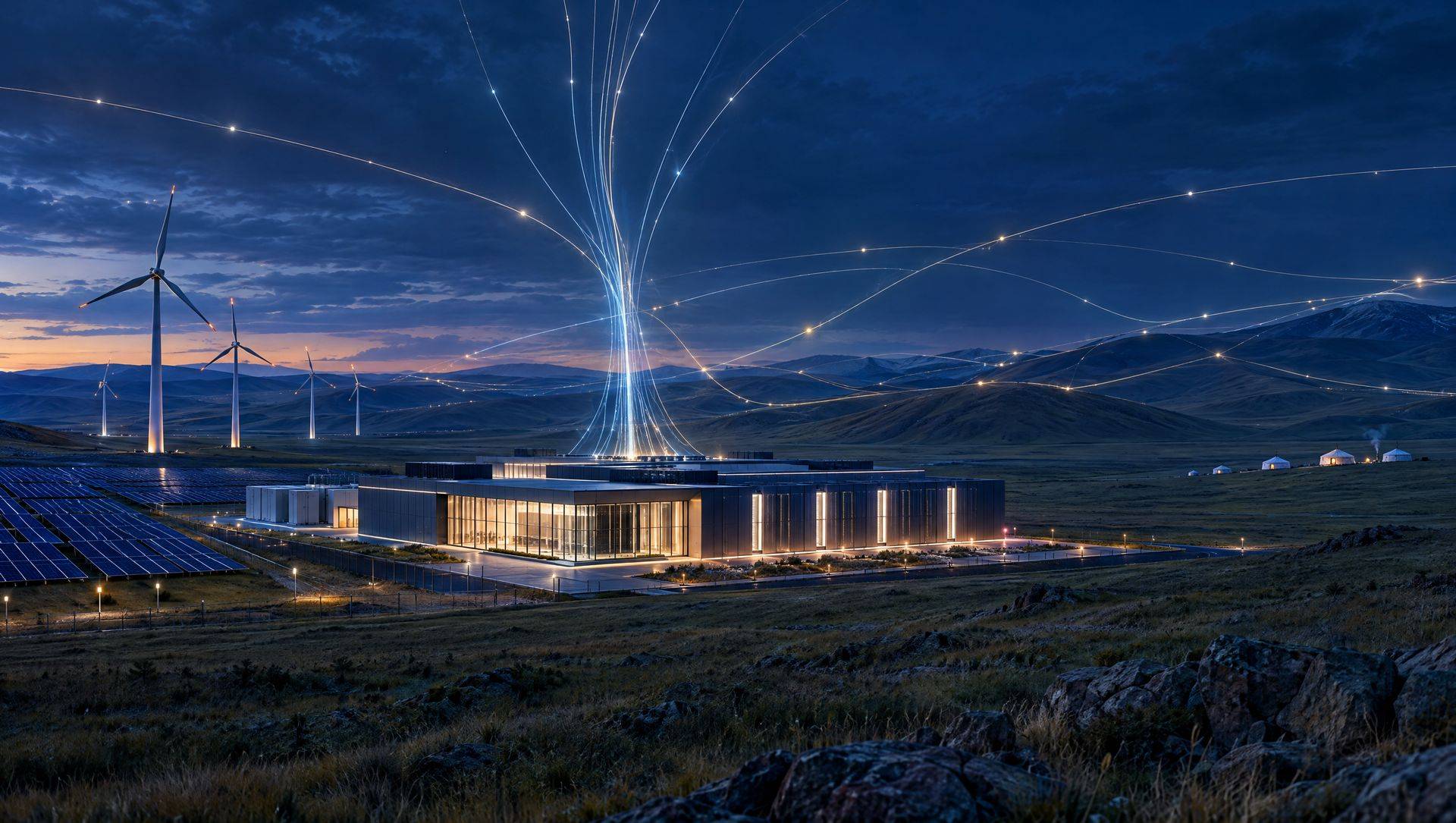
What does AI change for Mongolia?
What it does to economies, how others adopt it, and where Mongolia can start.
Enter AI
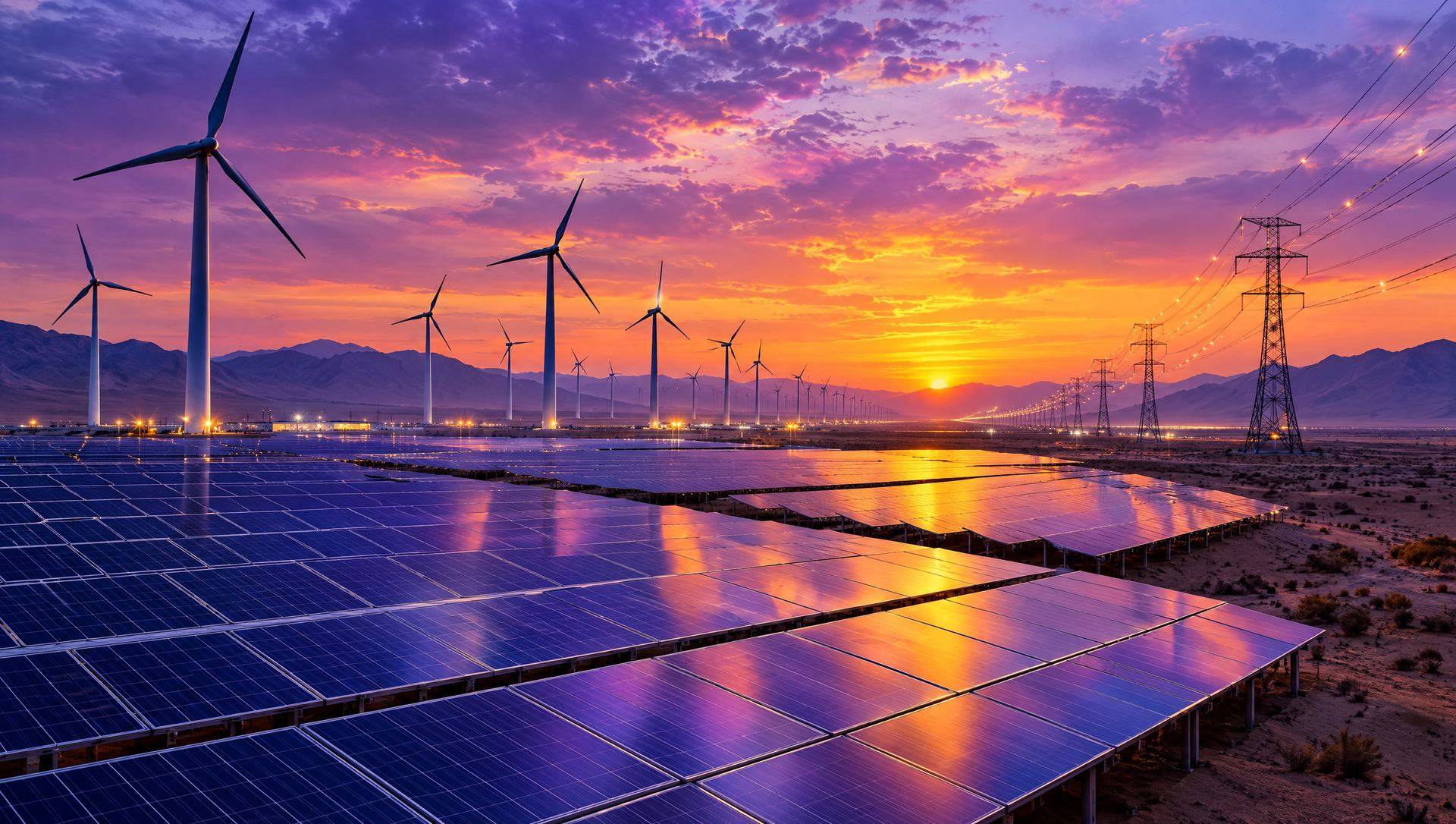
Test what you know · questions
What share of Mongolia's exports go to China?
At its peak, how many times bigger than today's Mongolia was the Mongol Empire?
You got within range.
Most people underestimate how much Mongolia depends on mining and on one buyer. That is where our story starts.