Who makes things in Mongolia, and why it matters
Here is who makes and sells what, measured the same way for everyone, and the case for making more.
At a glance
This section returns once its figures pass our fact-check.
What we sell
The export basket
This section returns once its figures pass our fact-check.
Sectors & companies
Who makes what
Companies appear only with a measured, sourced fact. The same criteria apply to every company; none paid or asked to be listed.
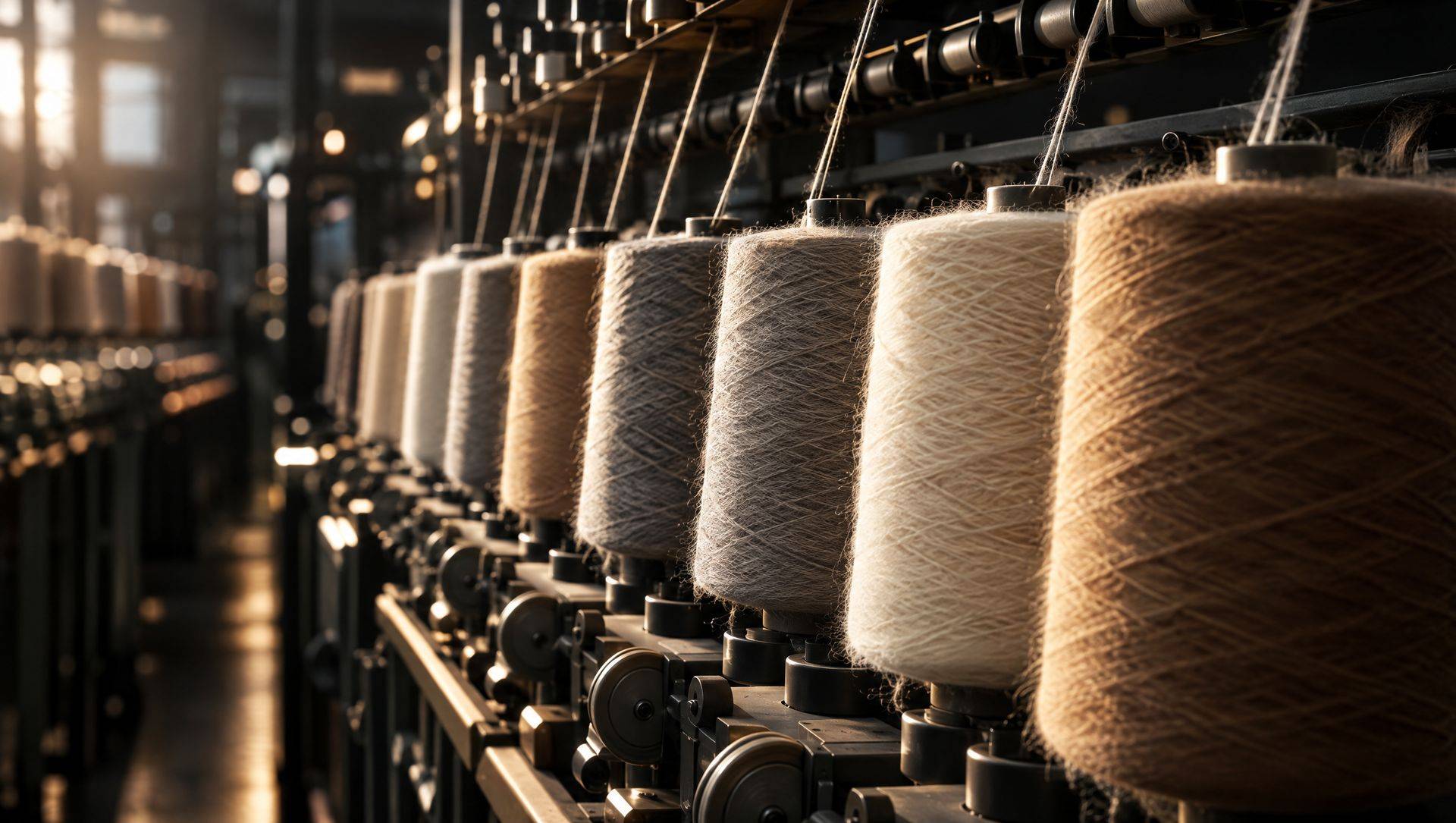
Cashmere, wool and textiles
Washed and dehaired (combed) cashmere, yarn, knitted and woven garments; wool products
About 7,600 workers in cashmere processing; 190,000 herder households (WB/IFC CPSD 2026)
Measured facts
Companies, on measured facts
Processes about 1,200 t raw cashmere a year, about 1,300 t yarn, 1.7 million knitted pieces a year; 1,300 employees (2025); stores in Mongolia and Germany
What holds the sector back
World Bank Group, Mongolia: Country Private Sector Diagnostic (Sept 2026) · · desk mf_sec2_what mf_sec2_jobs mf_sec2_m2 mf_sec2_m4 mf_sec2_b1…4; World Bank press release, Targeted Reforms Could Unlock New Private Investment and Jobs in Mongolia's Cashmere, Energy, and Critical Minerals Sectors · · desk mf_sec2_m1; Xinhua, Mongolia's combed cashmere exports up 28.7 pct in 2025 · · desk mf_sec2_m3; Wikipedia, Gobi Cashmere · retrieved · desk mf_sec2_co1 · mongolia-unspun.mn
Dairy and beverages
Beer, vodka, soft drinks, packaged milk and dairy products, mostly for the home market
Measured facts
Wikipedia, APU Company · retrieved · desk mf_sec3_what; Montsame, Industrial Output of Mongolia Increased by MNT 1.5 Trillion in 2024 · · desk mf_sec3_m1 · mongolia-unspun.mn
Study
Why Mongolia needs to make and export more
The case, what other countries did, the case against, and what it would cost.
The case
A few minerals, one buyer, few jobs.
Exports and growth depend on a few minerals sold mainly to one buyerMining is about 95% of exports and about a fifth of government revenue (WB, 2026); minerals about 90% of export revenue and mining 25% of GDP (CPSD, 2026); 89.4% of 2025 exports went to China (Invest Mongolia)
Mining creates few jobs relative to its size; new jobs are low-paidMining about 80,000 direct jobs for 25% of GDP; nearly 60% of new jobs 2010-2020 were in sectors paying below the median wage (CPSD). Manufacturing employed 101,300 (7.5%) in Q4 2024, down 20,100 y/y (NSO via Montsame).
World Bank, Macro Poverty Outlook Mongolia, April 2026 · · desk mf_case_1; World Bank, Mongolia CPSD (exec. summary), Sept 2026 · · desk mf_case_3 · mongolia-unspun.mn
What could be done
Options with a rough cost, who pays and how long.
1Cashmere reform package: longer investment loans (48 months to up to 7 years), quality-based pricing and herder awards, traceability data access, temporary labour-quota relief
Up to 5,000 jobs; processing share from 20% to 70% (WB). Botswana shows forced beneficiation is cost-sensitive.
2Meat: meet partner sanitary standards to open processed-meat markets
CPSD names sanitary standards as the constraint; 67 licensed exporters by Dec 2025
World Bank, Mongolia Country Private Sector Diagnostic (full), Sept 2026 · · desk mf_opt_1; World Bank, Mongolia CPSD (full), Sept 2026 · · desk mf_opt_3 · mongolia-unspun.mn